

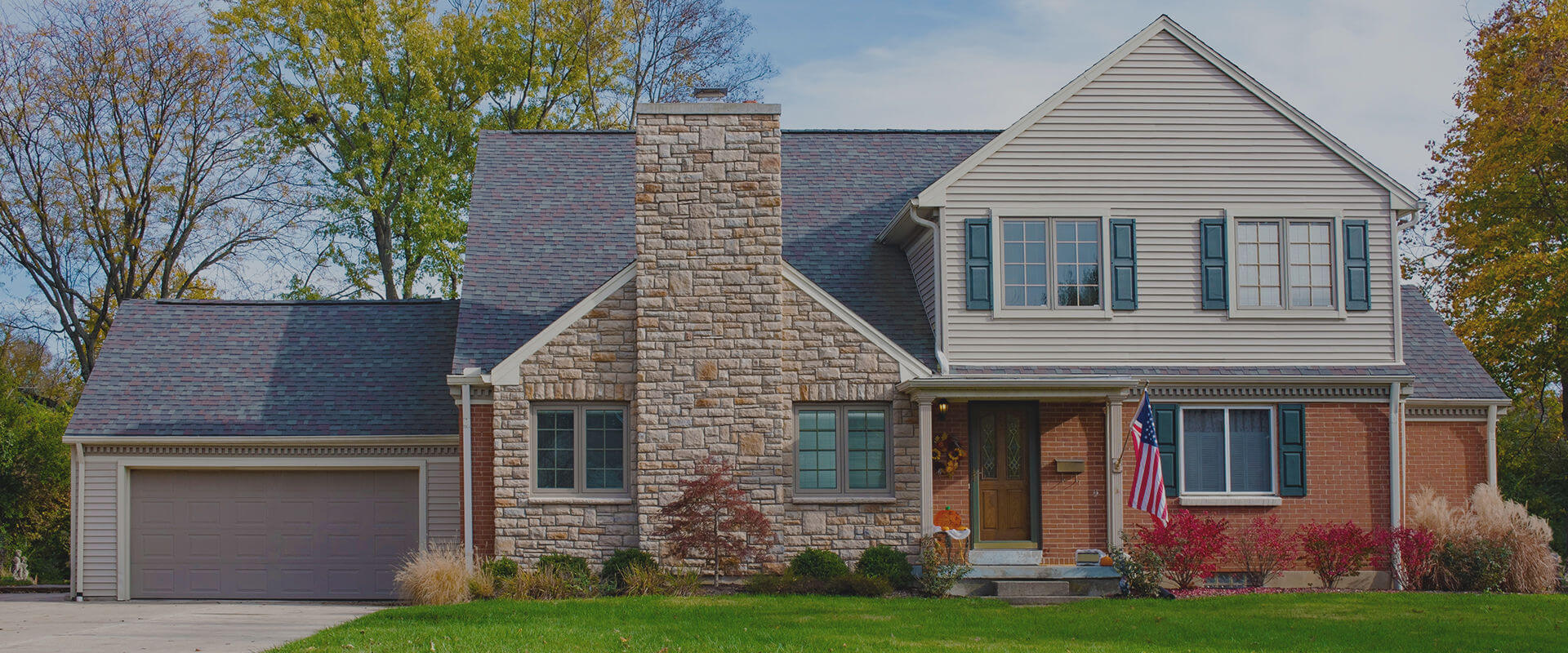
Chimney Dampers Explained: How They Improve Efficiency, Comfort & Draft Control in New Jersey Homes
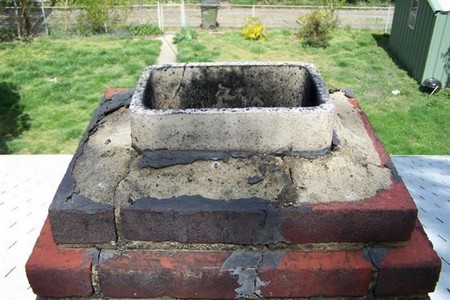 If your fireplace feels drafty or your living room fills with smoke, the issue often starts at the damper. Properly working chimney dampers control airflow, protect your home from cold wind and rain, and help your fireplace breathe the way it should. In Hackensack and across Bergen County, a well-sealed damper reduces winter heat loss and keeps humid summer air out.
Homeowners who suspect a worn or stuck plate in the throat of the fireplace, or an aging top seal, should consider a professional evaluation. Learn how different damper styles work and why upgrades can make a real difference in energy use and comfort. For an expert assessment or a precision upgrade, see our page on chimney dampers to understand options and next steps.
You can also explore how we approach chimney dampers in Hackensack, NJ as part of a complete fireplace and ventilation system, so your home stays comfortable through windy riverfront nights and steamy August afternoons.
What Is a Chimney Damper and Why It Matters
A chimney damper is a movable barrier that opens for fires and ventilation, then closes to seal the flue when the fireplace is not in use. The goal is simple: let smoke out when you need heat, and lock out outside air, pests, and moisture when you do not.
In many older Hackensack homes, you will find a cast-iron throat damper just above the firebox. Newer systems often use a top-seal damper at the crown of the chimney, which tightens the entire stack with a gasket at the flue top. When sized and installed correctly, a damper helps your fire start easier, your home smell fresher, and your utility bills stay steadier.
How Chimney Dampers Improve Efficiency in New Jersey Homes
Hackensack winters bring frequent wind and sharp temperature swings. An open or leaky flue acts like a straw pulling warm, conditioned air out of your house. A tuned damper limits that stack effect so your furnace or boiler does not have to fight the constant draft.
- Reduces heat loss when the fireplace is idle
- Limits humid summer air and musty odors from entering the living space
- Improves fireplace start-up by shaping airflow for a stable draft
- Lowers the chance of ash smells and cold-air “waterfall” into the room
In neighborhoods like Fairmount and along Prospect Avenue, many homes mix older masonry chimneys with modern windows and insulation. That tighter envelope makes a leaky damper even more noticeable, since any uncontrolled opening becomes the easy path for outside air.
Draft Control and Comfort During Bergen County Winters
When a nor’easter pushes up the Hackensack River, gusts can force downdrafts that send smoke rolling back into the room. A responsive damper setting helps balance that pressure so the fire draws up and out. In calm weather, a proper seal also stops the chimney from pulling warm air up the flue all night after the last log burns.
Think of the damper as the fireplace’s throttle. Too closed during a fire and smoke can spill. Too open when you are done and your heated air escapes. The right equipment, adjusted by a trained technician, keeps that balance steady through changing weather.
Top-Seal vs. Throat Dampers: Which Fits Your Fireplace?
Most homes in Hackensack will use one of two designs. A throat damper sits just above the firebox and was common in mid‑century brick fireplaces. A top-seal damper mounts at the flue top with a gasket and a stainless or aluminum lid operated by a cable inside the firebox.
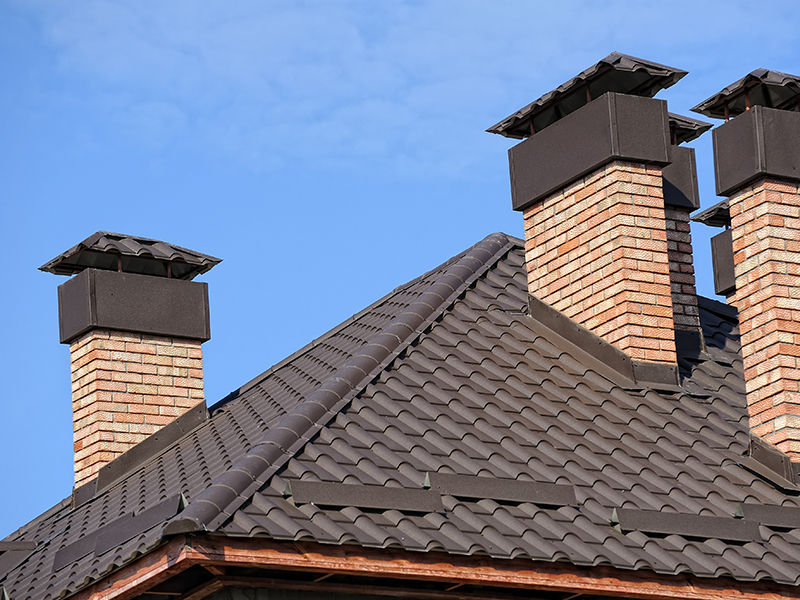
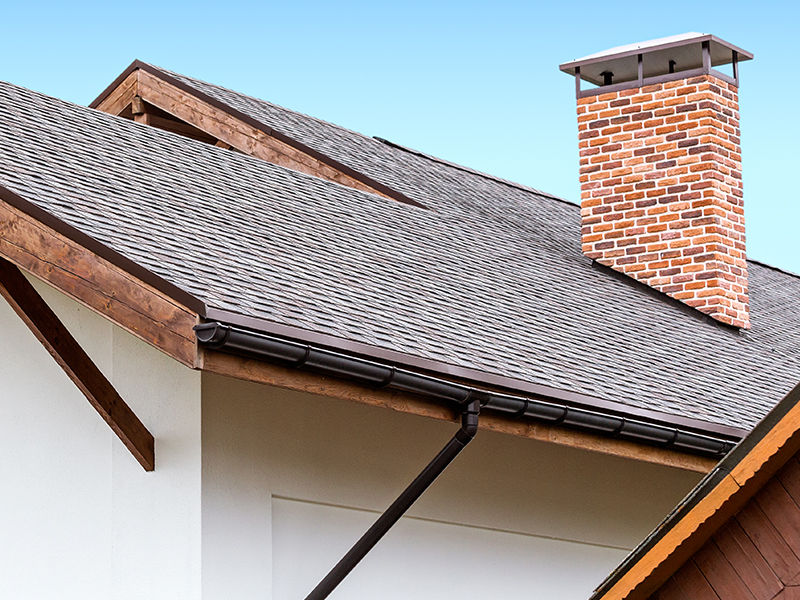
Top-seal models often provide a tighter closure because they cap the system from above. They can also quiet wind noise and keep rain from sneaking down the tile or stainless liner. Top-seal dampers also act as a rain cap to keep water and animals out. Your technician will consider chimney height, liner type, and existing masonry before recommending a match.
Signs Your Damper Needs Attention in Hackensack
Damper problems often show up as comfort issues long before you notice the hardware. If you experience any of the following, schedule a professional inspection:
- Cold air falling into the room when the fireplace is not in use
- Smoke, soot smell, or haze in the living space during light winds
- Handle or cable is stiff, loose, or moves without much effect
- Rust flakes, cracked cast iron, or missing gasket material
- Water staining or animal nesting debris inside the firebox
Homes near The Green or closer to Teaneck and Maywood often face heavy tree litter and squirrel activity. A secure top seal helps block debris and critters before they settle in the flue.
Installation and Sizing Considerations for Local Homes
A damper must match the flue’s size, shape, and liner material to seal properly and vent safely. Many Hackensack chimneys use clay tile liners with square or rectangular openings, while others have round stainless liners sized to appliances or inserts. The right hardware and adapter ensure smooth operation without binding.
Your technician will also check crown condition, cap clearances, and cable routing so the control handle sits at a comfortable reach inside the firebox. If masonry needs attention, that work is typically completed before the new damper is installed for a tight, long-lasting seal.
Maintenance and Safety for Long-Term Performance
Seasonal chimney use, humidity, and coastal storms can wear on metal parts and gaskets. A brief annual check keeps moving parts clean and confirms the seal is still snug. Schedule annual chimney inspections to catch hidden damage.
Safety matters most with any fireplace. Always open the damper before starting a fire. Keep the control accessible and confirm movement before lighting kindling. A closed or stuck damper can allow carbon monoxide to build up. If you notice smoke rollout or sluggish draft, end the fire and have a professional evaluate the system.
How Dampers Pair With Professional Chimney Cleaning
Creosote, ash, and animal debris can interfere with damper travel and seal contact. Regular chimney cleaning clears obstructions and improves draft, making your home feel warmer with less smoke. It also protects sensitive gaskets and control cables from abrasive soot.
For a broader look at how we maintain fireplaces, flues, and vents, you can browse our full chimney services. Integrated care helps your damper, liner, and appliance work together, especially in older brick stacks found across Hackensack’s historic blocks.
When To Upgrade Your Damper in Older Hackensack Homes
If your fireplace was built decades ago, the original throat plate may be warped, rusted, or missing parts. Even when it moves, it may not seal well against a pitted frame. Upgrading to a gasketed top-seal unit often brings an immediate comfort boost by closing the entire flue path from above.
Owners of pre-war colonials and post-war capes frequently notice the biggest gains. A tighter flue reduces the chilly downdraft you feel when sitting near the hearth, and it keeps rainy Jersey weather from entering during shoulder seasons when the furnace is off.
Local Climate Considerations for Hackensack, NJ Homes
Our area sees cold snaps in the 20s, spring storms with heavy rain, and humid summers that carry odor and moisture. That mix puts steady stress on masonry and metal. A reliable damper acts like a weather door for your chimney, shutting out wind and water when you do not need a fire.
In multi-family buildings and townhomes, a better seal also reduces odor transfer between units and helps HVAC systems hold temperature. In single-family homes, you will notice fewer whistling drafts and more consistent warmth in rooms near the fireplace.
Comfort Upgrades That Pay Off Over Time
While every home is different, homeowners report steadier room temperatures, cleaner starts, and quieter flues after a proper damper upgrade. The benefit is felt on still nights and during storms when pressure changes would otherwise push air the wrong way.
If you are weighing options, a professional can compare your current setup to newer designs and estimate airflow improvement. You will also learn how a better seal supports indoor air quality by limiting dust, pollen, and humidity drawn through the hearth when the system sits idle.
Trusted Help for Chimney Dampers in Hackensack, NJ
Whether your goal is to stop a stubborn draft, quiet wind noise, or keep rain and animals out, a targeted damper solution can make your fireplace easier to live with. Our team sizes and installs equipment that fits your flue and your home’s layout, then verifies smooth operation before we leave.
If you are ready to improve comfort, explore options and schedule service on our page for chimney dampers. For complete care, including inspections and cleanings, count on American Chimney Service to keep your system working the way it should.
Ready To Improve Comfort and Efficiency?
Bring your living room back to cozy. Call American Chimney Service at 201-358-2800 to discuss a precise fit for your fireplace and learn which style makes sense for your home. You can also request an evaluation for a top-seal damper upgrade and get a plan that aligns with your chimney’s materials and age.